The Best Caribbean Food in Denver for Every Appetite
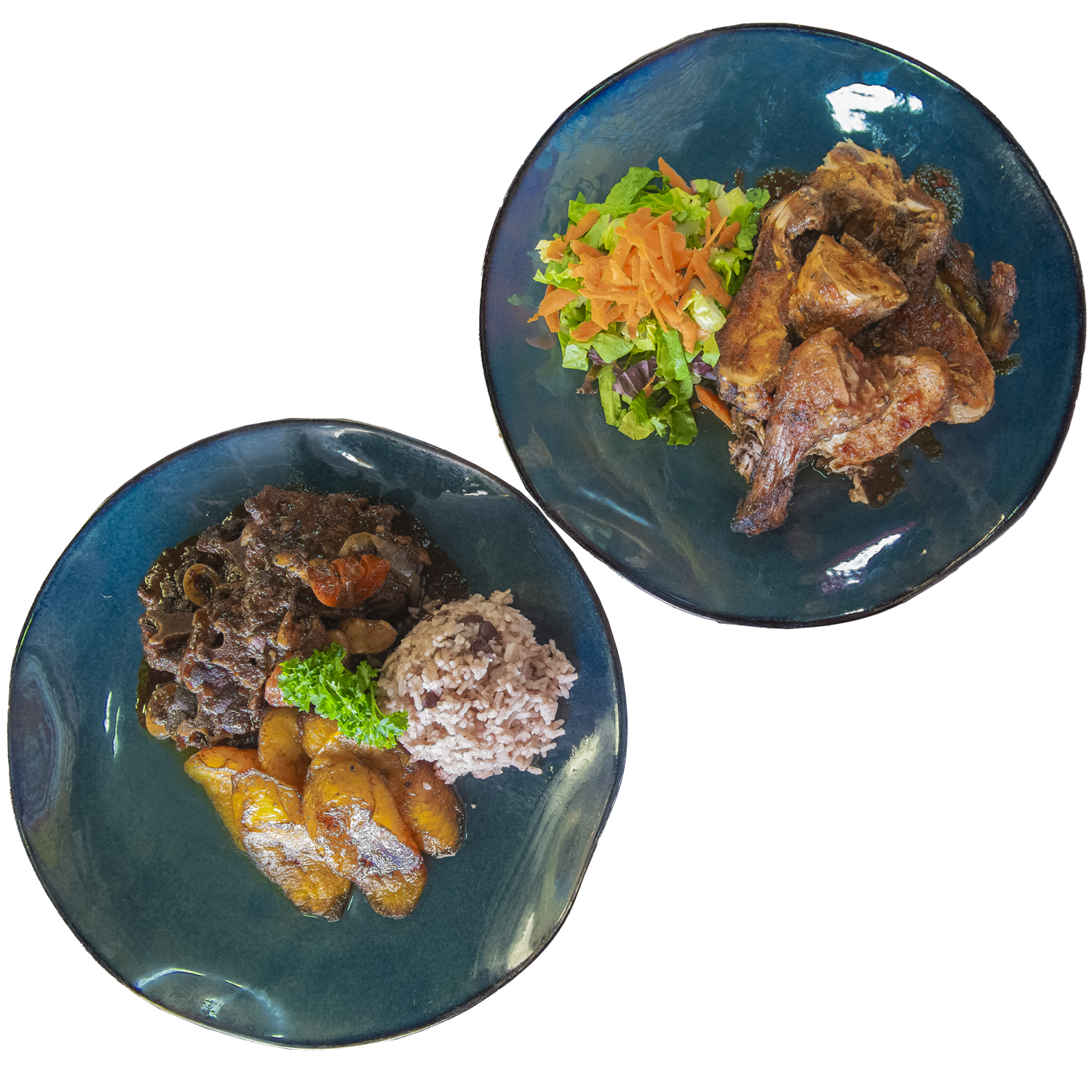
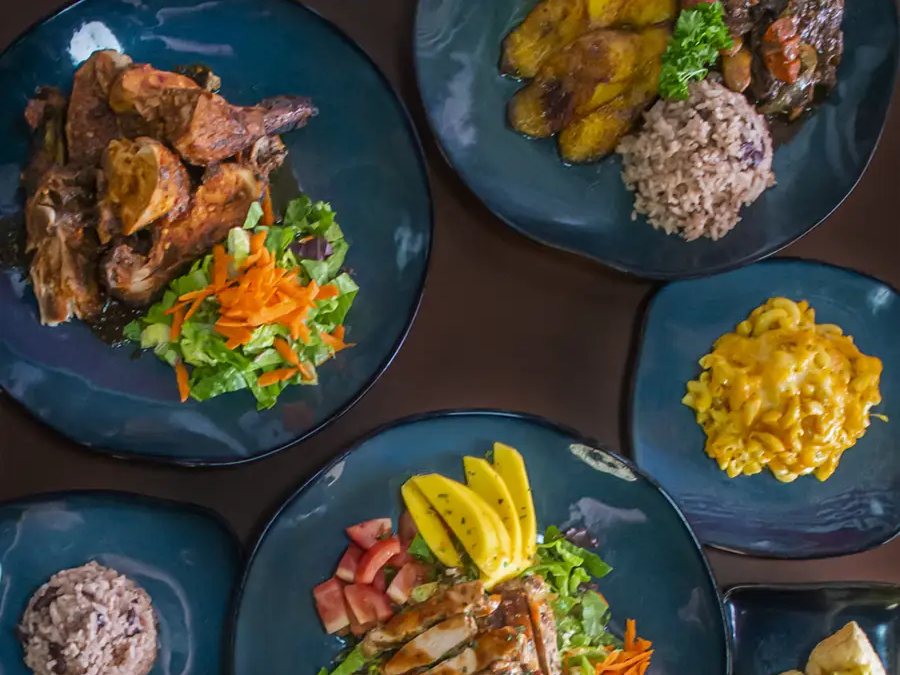
Denver is not the first American city people name when they talk about Caribbean cooking, and that is part of what makes the search here interesting. You do not get the density of options found in South Florida or parts of New York, but you do get something more personal: kitchens that rely on regulars, recipes adjusted carefully rather than diluted beyond recognition, and menus built around dishes that hold up in a high-altitude city with a serious appetite for bold flavor. The result is a Caribbean dining scene that rewards curiosity.
When people search for caribbean food denver, they are usually looking for one of two things. Some want a plate that tastes like home, or as close to it as possible. Others want a meal that wakes up the palate, something smokier, brighter, hotter, and more layered than the standard weeknight rotation. The good news is that Denver can satisfy both groups, if you know what you are ordering and what kind of experience you want.
Caribbean food is often flattened into a single category, but that misses the point. Jamaican jerk carries a very different personality from a Cuban roast pork plate. Puerto Rican comfort food leans on sofrito, plantains, and slow braises in a way that feels distinct from Trinidadian doubles or a Haitian griot plate. Even within one island tradition, the difference between a family-style lunch counter and a polished dinner service can completely change the meal. The best Caribbean food in Denver is not one dish and not one mood. It is a set of experiences, each suited to a different appetite.
What makes a Caribbean meal memorable in Denver
The easiest way to judge a Caribbean restaurant is not by how many items are on the menu, but by how confidently it handles its staples. Rice should not be an afterthought. Plantains should taste intentional, not like generic fried fruit dropped in for color. Stewed meats should show patience. A jerk marinade should announce itself before the plate even lands, with allspice, thyme, chile, smoke, and that slightly sweet edge that rounds out the heat.
Texture matters as much as seasoning. Good oxtail should feel sticky and rich without becoming muddy. Curry goat should be fork-tender but still taste like goat, not just gravy. A proper fried fish plate needs crisp skin, acidity, and enough starch on the side to make the whole meal feel complete. When those details are handled well, the meal does not need ornament. It simply works.
Denver’s Caribbean kitchens also face a few practical realities. Ingredients can be harder to source than they are in coastal markets with larger Caribbean populations. Scotch bonnet peppers, fresh breadfruit, callaloo, or certain cuts of meat may not always be available at the same quality year-round. The strongest restaurants adapt without losing the soul of the dish. That kind of adjustment is not compromise, it is craftsmanship.
For the diner who wants big flavor right away
If your ideal meal announces itself from across the room, start with jerk. Not every version in Denver will be cooked over pimento wood, and anyone who has eaten in Jamaica knows that detail matters. Even so, a thoughtful jerk chicken or jerk pork can still deliver the right effect: heat that builds rather than bludgeons, smoke that clings to the meat, and a spice blend that tastes deep instead of one-dimensional.
The best jerk plates balance aggression and restraint. The seasoning should hit first, but it should not erase the meat itself. Chicken thighs tend to do better than breast meat because they stay juicy and stand up to the marinade. Pork can be even better when cooked slowly enough to absorb the spice and still keep a bit of chew around the edges. In Denver, where diners sometimes equate “spicy” with “good,” the better kitchens understand that jerk is not a dare. It is a composition.
This is also the appetite that tends to love patties, especially as a quick lunch or a late afternoon snack. A good beef patty should have a shell that flakes without turning brittle. The filling should be seasoned enough to stand on its own, with enough fat to feel savory but not greasy. If the kitchen offers curry chicken or spicy vegetable patties as well, that is often a good sign. It suggests the pastry matters, not just the filling.
For diners chasing heat, pepper sauces can make or break the experience. Ask questions before drowning your plate. Some Caribbean sauces are fruity and floral at first, then ferocious a few seconds later. Others are vinegar-forward and meant to sharpen the meal rather than dominate it. A careful spoonful tells you more than a full pour.
For the person who wants comfort more than fire
Not every appetite is looking for intensity. Some are looking for weight, softness, and that particular satisfaction that comes from a slow-cooked plate with rice soaking up the edges. This is where dishes like oxtail, brown stew chicken, curry goat, and braised pork shoulder become the stars.
Oxtail is often the benchmark. It is expensive to prepare well, which means the portion and price need to make sense together. A restaurant can justify a premium if the sauce is glossy and rich, the meat is deeply seasoned, and the plate feels complete. You want marrow flavor in the background, not a salty sludge. Beans and rice should support the dish, not dilute it. Cabbage on the side is more than garnish when done right, because its slight sweetness and tenderness keep the plate from becoming too heavy.
Brown stew chicken deserves more respect than it gets. It is not the flashy order, but it often reveals the kitchen’s discipline. The best versions carry browning, onion, pepper, and thyme through every bite. The gravy should cling to the meat and rice, and the chicken should taste seasoned all the way through. It is the kind of dish that regulars order on instinct.
Curry goat fills a similar role, though it tends to be more divisive among newcomers. Goat has character. It is not as mild as chicken and not as lush as oxtail. That is exactly why many experienced diners seek it out. A good curry goat plate has enough spice to perfume the room, enough time in the pot to soften the meat, and enough acidity somewhere on the plate to keep the richness moving.
This is the side of Caribbean food in Denver that works especially well in colder months. There are few better answers to a snowy evening than a braised meat plate, hot rice, and sweet plantains that have gone properly caramelized at the edges.
Seafood lovers should order with confidence, but also with timing
Seafood can be spectacular in Caribbean cooking, though in a landlocked city it demands a little more judgment. The best approach is to order the seafood dishes that match the restaurant’s strengths and turnover. If a place is known for escovitch fish, curry shrimp, or coconut-based seafood stews, that is a much safer bet than assuming every kitchen does every fish preparation equally well.
Escovitch is one of the most satisfying plates when it lands right. Fried fish gives you crunch and richness, then the pickled vegetables cut through with vinegar, onion, carrot, and pepper. It is sharp, salty, bright, and made for people who like contrast. In Denver, where fried foods can sometimes sit too long under heat lamps in busy takeout operations, timing matters. Order when the kitchen is moving and eat it fresh.
Shrimp dishes tend to travel better, especially in curry or creole-style sauces. Coconut milk, garlic, chile, and herbs can give shrimp enough body to feel luxurious without becoming heavy. Rice and peas are a natural pairing because they steady the spice and absorb the sauce.
If a restaurant offers red snapper whole, that can be a very good sign. Whole fish service usually means confidence. It also means the kitchen expects diners to engage with the food rather than treating it as a generic fillet. You get crisp skin, deeper flavor near the bone, and a plate that feels more celebratory than routine.
Plant-based diners have more options than they might expect
People unfamiliar with Caribbean cooking sometimes assume it is all meat and fish. That is a mistake. Some of the most satisfying dishes in the tradition are built around vegetables, legumes, roots, and grains. The challenge in Denver is not whether these flavors exist, but whether restaurants present them as serious plates instead of side-note substitutions.
Rice and peas, stewed cabbage, fried sweet plantains, yuca, black beans, callaloo when available, and vegetable curries can form a complete and deeply satisfying meal. A strong kitchen understands this and seasons accordingly. Vegetables should taste like they belong to the cuisine, not like an accommodation made at the last second.
Vegetarian patties are often worth ordering because they show how a kitchen treats spice and texture without relying on meat. The best ones do not feel virtuous or restrained. They feel abundant. Chickpeas, lentils, potato, spinach, and spice can make a filling that eats as generously as any meat version.
Roti, when you can find it well executed, is another gift to plant-based diners. A warm flatbread wrapped around curried vegetables or chickpeas is portable, fragrant, and filling in a way many casual vegetarian meals are not. It is the kind of food that satisfies both a quick lunch crowd and someone who wanted a bigger dinner but not a heavy one.
The side dishes tell you whether the kitchen is serious
Main dishes get the attention, but sides are where standards reveal themselves. I have had too many plates, in too many cities, where excellent jerk chicken sat next to rice that tasted like it had been waiting around for an hour. Caribbean food deserves better than that.
Rice and peas should be distinct, aromatic, and properly seasoned. Depending on caribbean food denver the tradition, you may taste coconut, thyme, scallion, or allspice. The grains should hold together without clumping into a paste. Plantains should be sweet, yes, but not floppy and exhausted. The best ones still have edge definition, some caramelization, and a hint of savory flavor from the oil. Macaroni and cheese, where offered in Jamaican style, should be baked enough to get structure. It should cut cleanly, not slump like cafeteria pasta.
Slaw and cabbage deserve mention because they are often the balancing element that keeps a meal from turning leaden. Good slaw adds crunch and acid. Good cabbage adds softness, sweetness, and a little relief between bites of rich meat and rice. If these supporting pieces are handled with care, the whole plate rises.
Different appetites, different ordering strategies
One reason Caribbean food works so well for groups is that it meets people where they are. The spice seeker can chase jerk and pepper sauce. The comfort eater can settle into oxtail or stew. The cautious diner can start with chicken, rice, and plantains and still get a real sense of the cuisine. The adventurous friend can order goat, whole fish, or whatever the kitchen says is moving that day.
When I am helping someone order Caribbean food for the first time, I usually steer them toward a combination rather than a single dramatic item. A balanced plate teaches more than a maximal one. Jerk chicken with rice and peas, cabbage, and plantains gives you spice, starch, sweetness, and vegetal relief in one meal. It also lets you taste the cuisine’s logic. Caribbean cooking is rarely about one note. It is about interplay.
For takeout, saucy braises often travel better than crisp fried seafood. A curry or stew can actually improve after a short rest as flavors settle together. Fried items are better eaten immediately, especially fish and patties, which lose some of their magic once steam softens the crust. That may sound obvious, but it matters in a city where many people discover new restaurants through delivery apps first.
What to order based on your mood
If you want a quick framework at the counter, this works surprisingly well:
- Order jerk chicken if you want bold spice and smoke without too much risk.
- Choose oxtail if you are hungry, patient, and willing to pay more for depth.
- Pick curry goat if you like gamier meat and layered warmth over blunt heat.
- Go for escovitch fish when you want brightness, crunch, and something less heavy.
- Build a plate around plantains, rice, beans, and vegetable sides if you want comfort without the meat.
That kind of shorthand is useful, but context still matters. A busy lunch service may produce a better fried chicken plate than a slower midafternoon one. A weekend special may outshine the everyday menu. Asking what the kitchen is especially proud of that day is rarely a wasted question.
Denver’s Caribbean scene shines brightest when you let it be itself
It is tempting to compare every Caribbean meal in Denver to one from Kingston, San Juan, Havana, Port of Spain, or a beloved neighborhood spot in another city. That comparison can be useful, up to a point. It keeps standards honest. But it can also prevent diners from caribbean food denver noticing what Denver’s restaurants are doing well on their own terms.
Some cook for diaspora communities and preserve a clear line back to family recipes. Others blend island traditions with local realities, adjusting ingredients, service style, or portion format for a Denver audience that may be meeting these flavors for the first time. Not every adaptation is successful, but the best ones expand the scene rather than water it down.
This is especially true with lunch specials, market plates, and hybrid menus. A restaurant may serve a classic braise alongside a bowl format designed for office workers with twenty minutes to spare. Purists may roll their eyes, but if the seasoning is honest and the fundamentals hold, that is a smart way to keep the food in circulation. A cuisine survives not only through preservation, but through use.
A few signs you have found a place worth returning to
There are small tells that separate a one-time novelty meal from a restaurant that becomes part of your regular rotation.
The room smells right before you order. Not just fried oil, but herbs, spice, and slow cooking. The staff can describe the dishes without flattening them into generic categories. The plantains arrive with intention. The gravy on a stew tastes developed rather than dumped from a pan. The hot sauce feels house-chosen, not randomly purchased. Even the way a restaurant packs takeout can tell you something. When sauces are kept from soaking the wrong items, when garnishes are there for flavor instead of color, someone in the kitchen is thinking beyond the transaction.
That care matters because Caribbean food has always been more than flavor alone. It is hospitality, memory, thrift, improvisation, and celebration on the same plate. The best Caribbean food in Denver captures some of that generosity. It gives you abundance without waste, intensity without chaos, and comfort without dullness.
For diners willing to look past the obvious and order with curiosity, Denver offers real rewards. A flaky patty eaten standing at a counter. A heavy plate of oxtail that justifies every dollar. A jerk chicken lunch that leaves spice on your lips for the rest of the afternoon. Sweet plantains that somehow improve the whole day. Every appetite has a version of Caribbean food that fits, and the city has enough range now to make the search worth taking seriously.
Reggae Pot Jamaican Grill
2243 S Monaco St Pkwy, Suite 104
Denver, CO 80222
(720) 410-2956
FAQ About caribbean food denver
What is a typical Caribbean meal?
Caribbean cuisines vary by island. A Jamaican meal might pair jerk chicken or oxtail with sides such as rice and peas, cabbage, or fried plantains.
What is Jamaica’s national dish?
Ackee and saltfish is widely recognized as Jamaica’s national dish. Check the current menu for availability.
Is Caribbean jerk the same as Jamaican jerk?
Jerk is a Jamaican cooking tradition associated with seasoning and slow cooking or grilling. The exact heat level and preparation vary by cook.